Bourbon vs Japanese Whisky
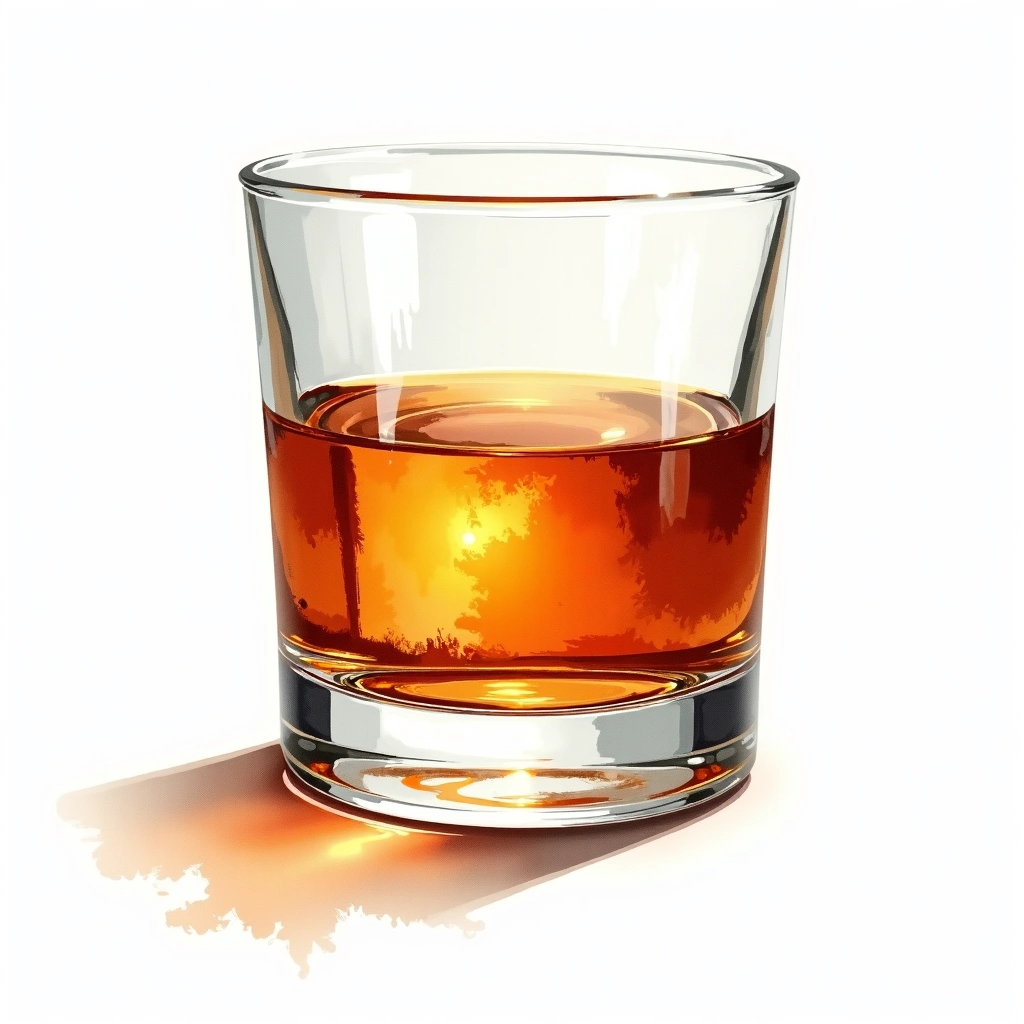
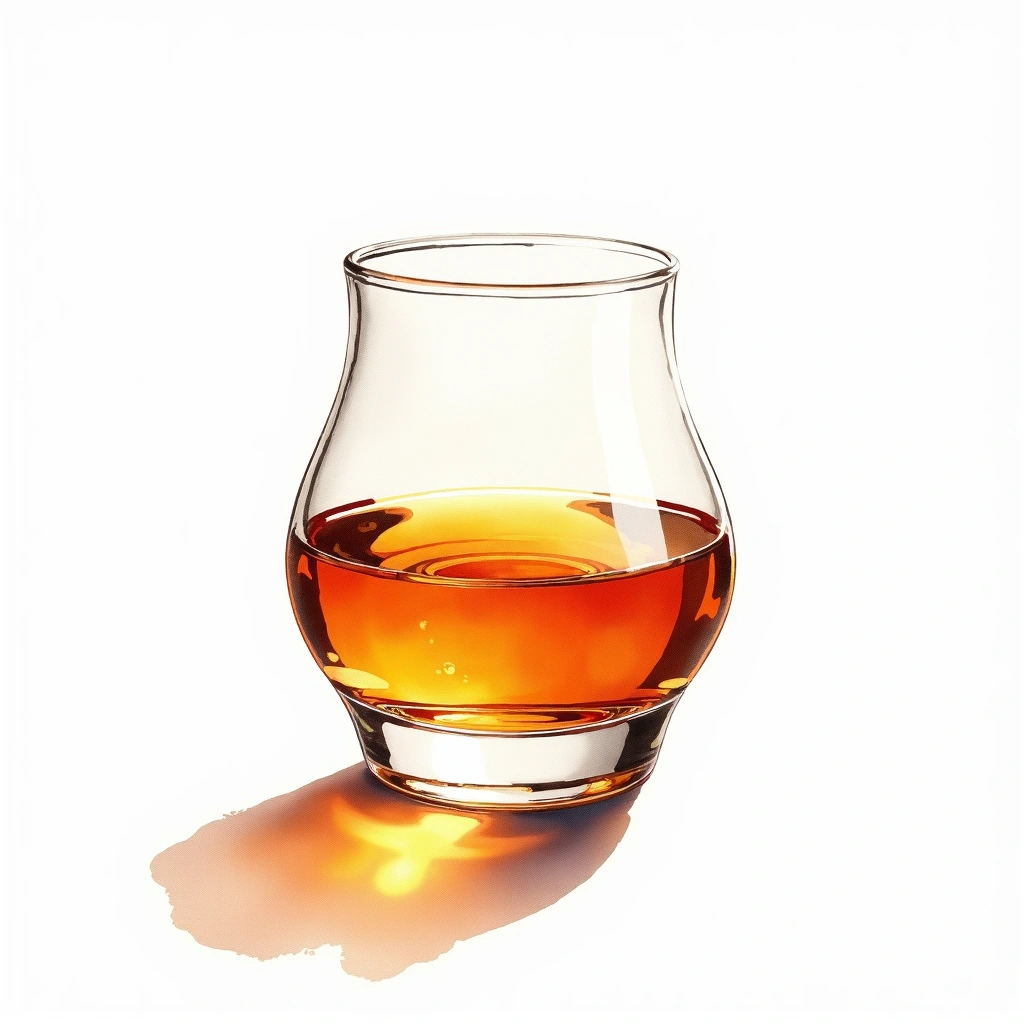
Bourbon
An American whiskey made from a grain bill of at least 51% corn, distilled to no more than 160 proof, and aged in new charred oak barrels. Bourbon can be produced anywhere in the United States, though Kentucky produces approximately …
Japanese Whisky
Originally modeled on Scotch whisky traditions, Japanese whisky has developed a distinct identity through meticulous craftsmanship and innovation. Japanese distillers use a variety of still shapes, fermentation techniques, and unique cask types including mizunara oak to create refined, harmonious expressions.
Сравнение
Bourbon and Japanese Whisky are two prominent categories in the world of whiskey. Comparing these types reveals fundamental differences in production methods, regional traditions, grain selection, and resulting flavor character that define each style.
Bourbon An American whiskey made from a grain bill of at least 51% corn, distilled to no more than 160 proof, and aged in new charred oak barrels. Bourbon can be produced anywhere in the United States,. Whiskey labeled as Bourbon must meet certain criteria established by tradition or regulation, giving this category its distinctive identity among whiskey styles worldwide.
Japanese Whisky Originally modeled on Scotch whisky traditions, Japanese whisky has developed a distinct identity through meticulous craftsmanship and innovation. Japanese distillers use a variety of still shapes,. The standards governing Japanese Whisky production ensure consistency while allowing individual distillers to express their craft within the category's framework.
The primary distinctions between Bourbon and Japanese Whisky lie in their production methods, regional origins, grain selection, and aging requirements. Understanding these differences helps whiskey enthusiasts navigate the diverse landscape of whiskey styles and find the expressions that best match their palate preferences. Both categories continue to evolve as distillers innovate while respecting their respective traditions.
Bourbon An American whiskey made from a grain bill of at least 51% corn, distilled to no more than 160 proof, and aged in new charred oak barrels. Bourbon can be produced anywhere in the United States,. Whiskey labeled as Bourbon must meet certain criteria established by tradition or regulation, giving this category its distinctive identity among whiskey styles worldwide.
Japanese Whisky Originally modeled on Scotch whisky traditions, Japanese whisky has developed a distinct identity through meticulous craftsmanship and innovation. Japanese distillers use a variety of still shapes,. The standards governing Japanese Whisky production ensure consistency while allowing individual distillers to express their craft within the category's framework.
The primary distinctions between Bourbon and Japanese Whisky lie in their production methods, regional origins, grain selection, and aging requirements. Understanding these differences helps whiskey enthusiasts navigate the diverse landscape of whiskey styles and find the expressions that best match their palate preferences. Both categories continue to evolve as distillers innovate while respecting their respective traditions.