Blended Scotch vs Single Malt Scotch
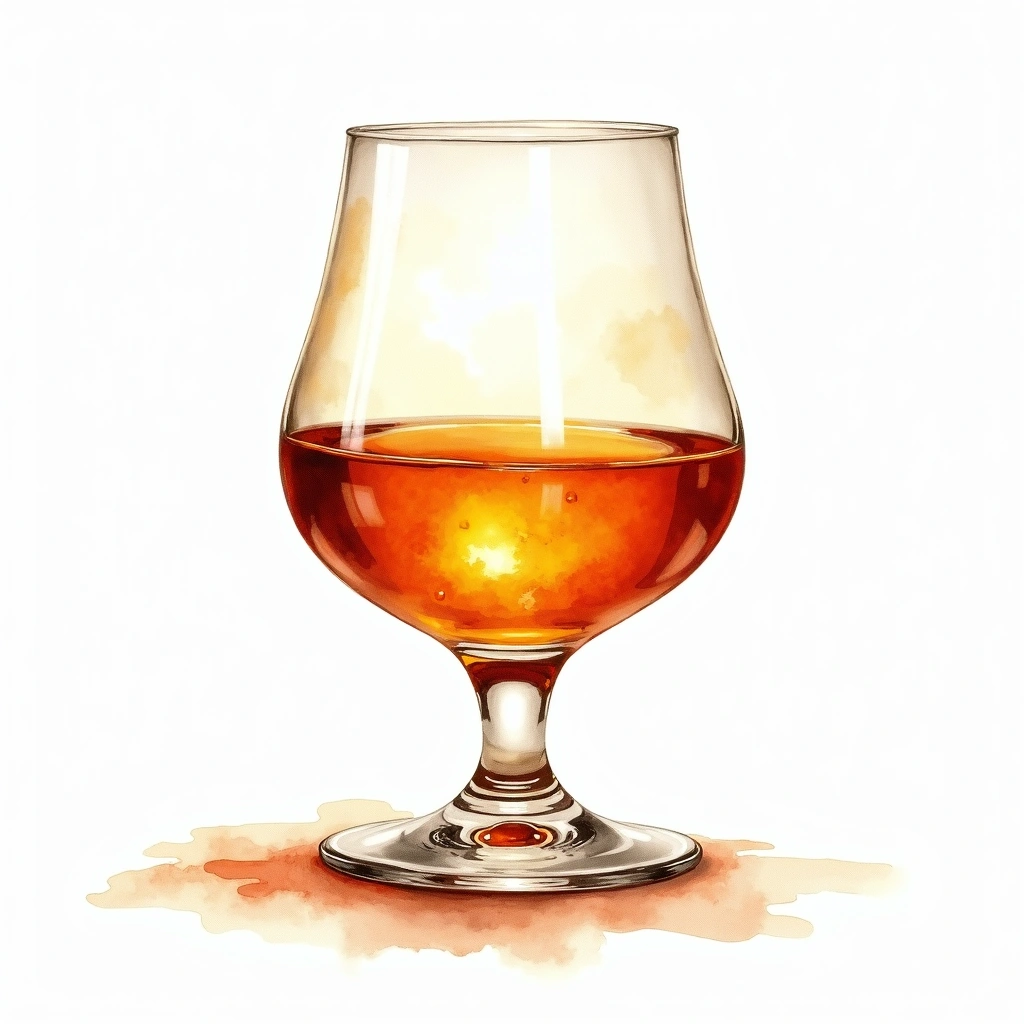
Blended Scotch
A blend of one or more single malt whiskies with one or more single grain whiskies, all distilled in Scotland. Blended Scotch accounts for over 90% of all Scotch whisky sales worldwide. Master blenders combine dozens of components to achieve …
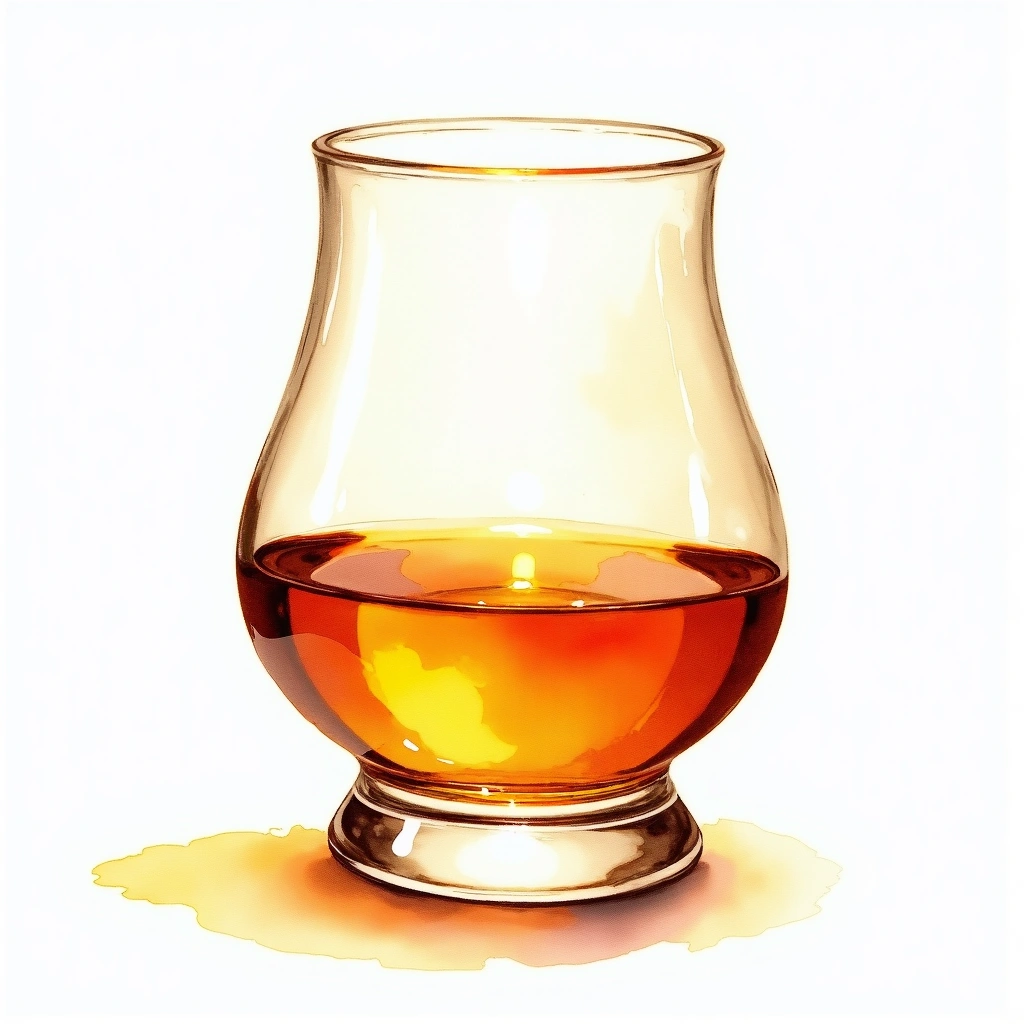
Single Malt Scotch
Made from 100% malted barley at a single Scottish distillery using pot stills. Single malt Scotch must be aged for a minimum of three years in oak casks in Scotland. It is the most collectible and regionally diverse category of …
比較
Blended Scotch and Single Malt Scotch are two prominent categories in the world of whiskey. Comparing these types reveals fundamental differences in production methods, regional traditions, grain selection, and resulting flavor character that define each style.
Blended Scotch A blend of one or more single malt whiskies with one or more single grain whiskies, all distilled in Scotland. Blended Scotch accounts for over 90% of all Scotch whisky sales worldwide. Master. Whiskey labeled as Blended Scotch must meet certain criteria established by tradition or regulation, giving this category its distinctive identity among whiskey styles worldwide.
Single Malt Scotch Made from 100% malted barley at a single Scottish distillery using pot stills. Single malt Scotch must be aged for a minimum of three years in oak casks in Scotland. It is the most collectible and. The standards governing Single Malt Scotch production ensure consistency while allowing individual distillers to express their craft within the category's framework.
The primary distinctions between Blended Scotch and Single Malt Scotch lie in their production methods, regional origins, grain selection, and aging requirements. Understanding these differences helps whiskey enthusiasts navigate the diverse landscape of whiskey styles and find the expressions that best match their palate preferences. Both categories continue to evolve as distillers innovate while respecting their respective traditions.
Blended Scotch A blend of one or more single malt whiskies with one or more single grain whiskies, all distilled in Scotland. Blended Scotch accounts for over 90% of all Scotch whisky sales worldwide. Master. Whiskey labeled as Blended Scotch must meet certain criteria established by tradition or regulation, giving this category its distinctive identity among whiskey styles worldwide.
Single Malt Scotch Made from 100% malted barley at a single Scottish distillery using pot stills. Single malt Scotch must be aged for a minimum of three years in oak casks in Scotland. It is the most collectible and. The standards governing Single Malt Scotch production ensure consistency while allowing individual distillers to express their craft within the category's framework.
The primary distinctions between Blended Scotch and Single Malt Scotch lie in their production methods, regional origins, grain selection, and aging requirements. Understanding these differences helps whiskey enthusiasts navigate the diverse landscape of whiskey styles and find the expressions that best match their palate preferences. Both categories continue to evolve as distillers innovate while respecting their respective traditions.